Health Disparities Education Program
Through our Health Disparities Education Program, we educate and empower communities to understand and address healthcare disparities across Sub-Saharan Africa, transforming research into real-world impact.
The Problem
Sub-Saharan Africa bears a disproportionate burden of global health challenges. Despite housing nearly 1 in 8 people worldwide, the region continues to struggle with limited resources, fragile health systems, and preventable diseases.
96%
of global malaria cases and deaths occur in sub-Saharan Africa.
80%
of African health facilities lack access to oxygen.
24%
of the global disease burden is carried by Africa.
Current Healthcare System
While different in every country, the typical healthcare structure of a sub-Saharan African country takes on a tiered system.
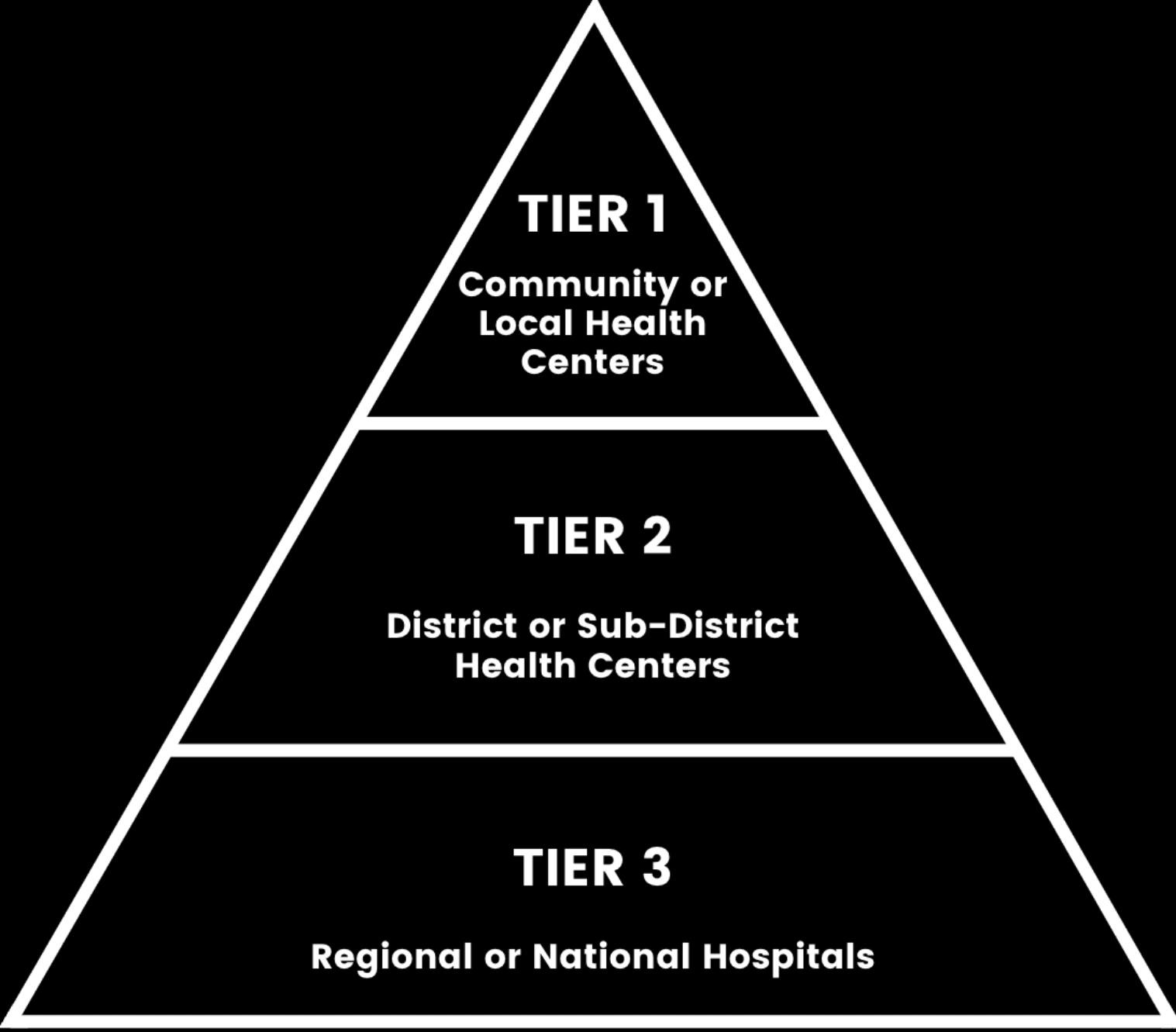
- High frequency small posts, clinics, or dispensaries with basic medical equipment and staff, including community health workers, nurses, and midwives.
- Are often the first point of contact for most patients.
- Most accessible for rural populations though they are often under resourced and lack more critical services.
- More scarce than first tier health centers, however, have a larger capacity for patients.
- Often require referral and offer greater medical services unavailable in Tier 1 health centers.
- Require referrals and can also serve as specialized or training hospitals.
- Provide “comprehensive medical and surgical services.”
- These hospitals are equipped with more personal, larger budgets, and are able to aid tens of thousands of patients.
Village Health Teams (VHTs)
Volunteers who interact directly with communities to achieve the following goals:
Observe what is happening in the community and inform health professionals of the community’s needs.
Bridge social differences between health providers and community members.
Persuade community members of the value of the clinic.
Witness social determinants of health in the community.
Provide social support for community members.
Target rural populations because of the lack of healthcare services and critical resources in these areas.

Challenges of Current Healthcare System
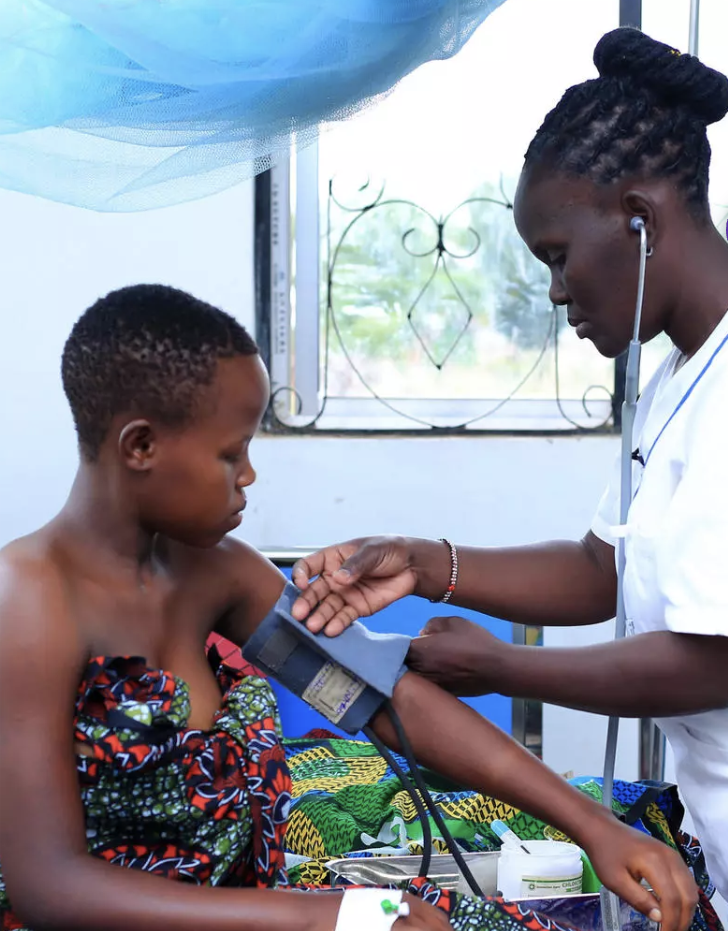
Financial barriers result in absences, inability to afford treatment, inability to afford transportation, and more, often costing the healthcare system as well as the well-being of patients.
In many countries such as Tanzania, nearly 50% of healthcare facilities lack access to electricity or running water.
Publicly funded health centers are extremely understaffed and under-resourced which results in doctors treating up to a hundred patients a day and reduces patient survival chances significantly.
In South Africa, 80% of doctors work in the private sector, however, 80% of the population rely on the public health sector.
Only an estimated 27% of people in need of mental health care receive it.
Corrupt healthcare systems, which are common across sub-Saharan Africa also result in ineffective and unfair medical services that patients rely on.
Most Prevalent Health Disparities
HIV/AIDS
Sub-Saharan Africa faces a disproportionately high burden of HIV/AIDS, significantly contributing to the global number of people living with the virus.
Malaria
Malaria remains a major health threat in sub-Saharan Africa, where it causes a large share of global cases and deaths, despite being preventable in other regions.
Liver Disease
Liver disease, particularly from hepatitis and alcohol use, is a growing health concern in sub-Saharan Africa, with increasing mortality rates over recent decades.
Maternal Health
Women in sub-Saharan Africa experience alarmingly high maternal mortality rates due to inadequate healthcare access, poor nutrition, and lack of education on maternal health.
Child Health
Sub-Saharan Africa has the highest under-five mortality rates, driven by preventable diseases, malnutrition, and insufficient healthcare and sanitation.
Access
Limited access to clean water, sanitation, and basic healthcare services greatly exacerbates the region’s public health challenges, including the spread of waterborne diseases.