The Global Philanthropy Gap After USAID Rollback
Why Student Innovators and Local Changemakers Are Stepping In
As international aid budgets shrink and the effects of the USAID rollback ripple outward, global progress on education, healthcare, and community development is hitting a dangerous crossroads. The numbers speak for themselves, but what’s more compelling are the people stepping up where traditional support systems are pulling back.
This post marks the beginning of our “Best in Class” series, spotlighting bold innovators rewriting the rulebook on philanthropy. From student-led nonprofits to grassroots organizations in vulnerable regions, we’re seeing a shift: impact is no longer reserved for the most resourced: it’s being redefined by the most resilient.
Education: When Classrooms Go Dark
Contributed by Sonia (Education Fundraising)
Since the rollback, funding to global education programs has dropped by over $800 million, leaving 11 million students at risk of losing access to basic learning resources. In East Africa, literacy initiatives and girl-focused STEM programs are now running on minimal staff or shutting down completely.
But there’s hope. Organizations like KitKit School, a tablet-based learning solution designed for remote communities, are partnering with student-run fundraisers to close the gap. “We’re trying to fund what’s left behind,” Sonia explains. “And often, it’s not just materials. It’s mentorship, teachers, and dreams.”
Health in the Crosshairs: The Aftermath in Clinics and Labs
Contributed by Athithi, Aidin, Aditi & Jiwoo (Health Research)
The rollback has severely affected vaccine rollouts, maternal health clinics, and malaria prevention programs, especially in Sub-Saharan Africa and South Asia. One Tanzanian clinic saw a 60% decrease in contraceptive access, while disease surveillance units in Nepal halted training for new technicians altogether.
Nonprofits are filling the void. LifeNet International and Partners in Health have begun collaborating with local universities and even high school interns to expand mobile health networks. “We’re working with less, but trying to do more,” says Jiwoo. “It’s about empowering innovation at every level, not just the top.”
Community Development: Projects on Pause, People in Motion
Contributed by Vid & Deepshree (Community Fundraising)
Water wells, youth employment programs, and disaster relief shelters are struggling globally. In rural India, over 300 development projects tied to USAID were either suspended or scaled down. In Guatemala, local women-led cooperatives lost access to training and small business grants.
But in response, organizations like Raise Community Group (RCG) are mobilizing youth to support community infrastructure. “We’re watching students lead health supply drives and fundraise for tablets,” Deepshree shares.
Voices From the Field: Quotes
Coordinated by Sienna & Avijay (Media/Outreach)
To ground this post in real-world urgency, we reached out to some of our partner organizations for short interviews and quotes.
“It’s not about replacing aid. It’s about rethinking it. Who gives, who decides, and who gets to lead?”
— Betty Kadondi, Executive Director of RUN, Uganda
“If young people are trusted with ideas, they’ll deliver impact.”
— Colby Weiss, RCG Board President
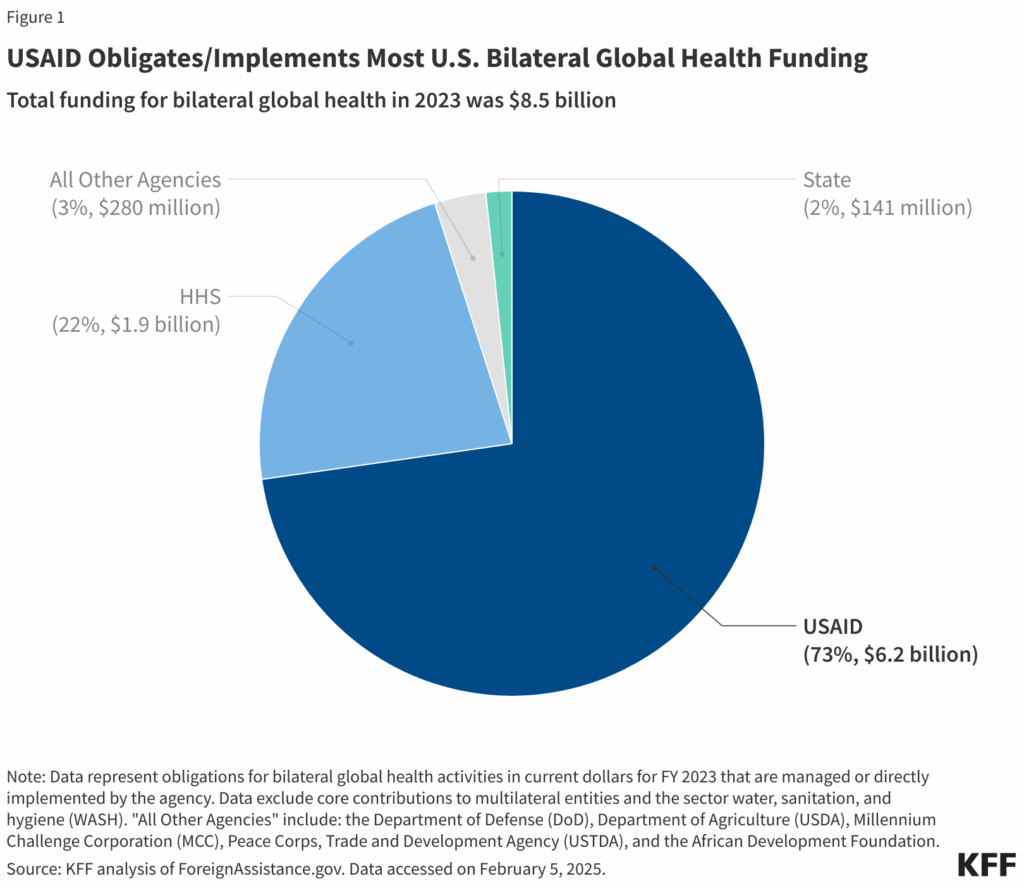
We’ve also embedded an infographic below summarizing key impact data and funding gaps across sectors (see below).
The “Best in Class” Series: What’s Next
In the coming months, we’ll highlight organizations like RCG, LifeNet, and KitKit School—groups rewriting the rules of philanthropy. They’re student-led, community-run, and deeply committed to sustainability.
This isn’t charity. It’s collaboration. And it’s time we tell their stories.